In the early stages of running a business, handling your own bookkeeping often feels manageable. Many small business owners begin with spreadsheets, manual invoicing, and basic accounting software to keep expenses under control. DIY bookkeeping can work when transactions are limited and operations are relatively simple.
However, as a business grows, financial management becomes more demanding. Increased transactions, expanding payroll, supplier payments, tax obligations, and reporting requirements can turn bookkeeping into a time-consuming and stressful task.
What once seemed cost-effective may start creating inefficiencies, inaccuracies, and missed opportunities. Recognising when your business has outgrown DIY bookkeeping is important for maintaining financial stability and supporting long-term growth.
One of the clearest signs that DIY bookkeeping is no longer working is constantly falling behind on financial records.
If invoices are left unrecorded for weeks, receipts pile up, or bank reconciliations are delayed, your financial data quickly becomes outdated. Without accurate and current records, it becomes difficult to understand how the business is actually performing.
Outdated bookkeeping can lead to:
Keeping records updated consistently becomes more challenging as business activity increases. Reliable bookkeeping systems help ensure financial information remains organised and accessible throughout the year.
Business owners should focus on growth, customer relationships, and operations, not spend hours every week fixing spreadsheets or reconciling transactions.
When bookkeeping starts taking time away from core business activities, it can slow productivity and limit growth opportunities. Many owners initially manage finances themselves to save money, but eventually the administrative workload becomes too large.
Common signs include:
Managing payroll becomes increasingly complex as businesses hire more employees.
Beyond simply processing wages, payroll includes responsibilities such as:
Mistakes in payroll can affect employee trust and potentially create compliance risks. Businesses handling payroll manually may begin noticing recurring errors, delays, or confusion around reporting obligations.
When payroll starts becoming stressful or difficult to manage consistently, it is often a strong indication that bookkeeping systems need professional support.
Many growing businesses experience cash flow issues not because they lack revenue, but because they lack clear financial visibility.
DIY bookkeeping often focuses on recording transactions rather than analysing financial patterns. Without proper monitoring and forecasting, business owners may not notice problems until expenses become difficult to manage.
Warning signs include:
Accurate bookkeeping helps businesses understand spending trends and improve cash flow management.
Preparing for tax deadlines should not feel like a yearly crisis.
If BAS lodgements, expense tracking, or financial reporting become increasingly stressful, it may indicate that DIY systems are no longer effective. Businesses with disorganised records often spend unnecessary time searching for receipts, correcting errors, or updating months of incomplete bookkeeping.
Poor bookkeeping during the year can lead to:
Well-maintained bookkeeping systems help simplify tax preparation and reduce pressure during reporting periods.
Confidence in your financial data is essential for making informed business decisions.
If you regularly question whether your reports are correct, it may be a sign that bookkeeping has become too complex to manage alone. Inaccurate financial information can affect budgeting, hiring decisions, pricing strategies, and future planning.
Common concerns include:
Working with a certified MYOB bookkeeper can help businesses improve reporting accuracy and establish more reliable financial systems.
As businesses expand, financial systems must grow alongside them.
What worked for a small startup may no longer support a larger operation with increased transaction volumes and more complex reporting requirements. Manual bookkeeping processes often become inefficient when businesses experience rapid growth.
This is especially common when businesses begin:
Growth creates new financial demands that require stronger bookkeeping systems and more structured processes.
Many business owners avoid reviewing financial reports when bookkeeping feels overwhelming or disorganised.
Unfortunately, avoiding financial information can make problems harder to identify early. Without clear reporting, businesses may struggle to make confident decisions about spending, investments, or growth strategies.
Ignoring financial reports can lead to: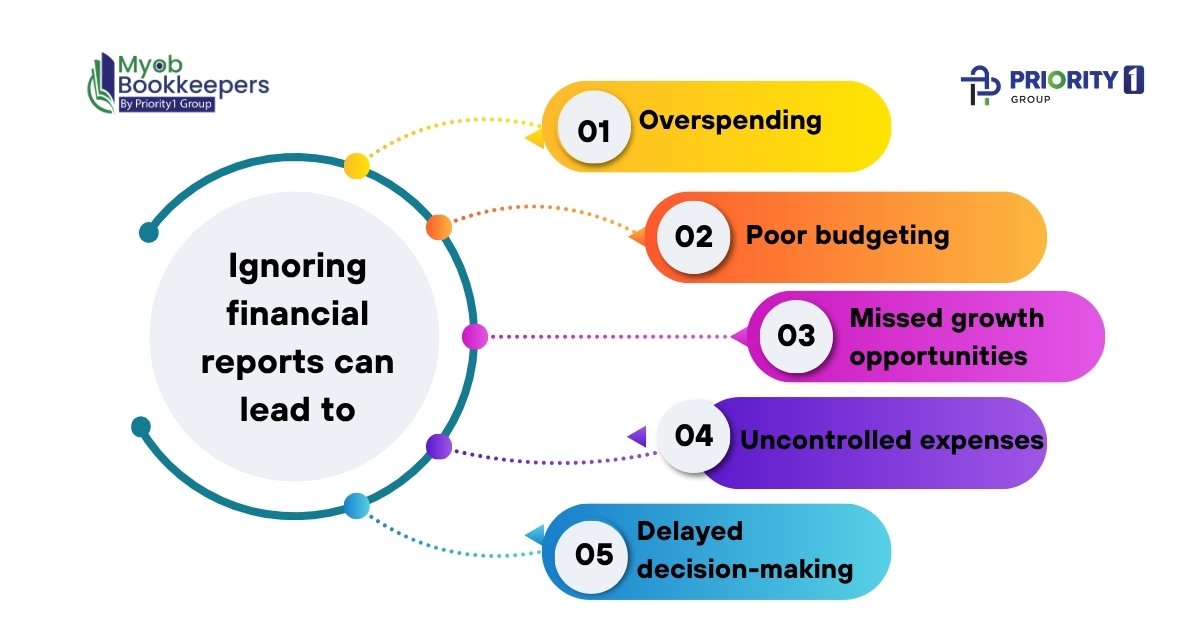
Clear bookkeeping processes help simplify financial reporting and make business performance easier to understand.
As businesses grow, compliance responsibilities increase as well.
Keeping track of tax obligations, payroll regulations, superannuation requirements, and reporting deadlines becomes more time-consuming and complex. DIY bookkeeping may increase the risk of errors or missed updates.
Businesses struggling with compliance often experience:
Professional bookkeeping support helps businesses maintain organised records and stay aligned with reporting requirements more effectively.
Growing businesses need more than basic transaction tracking. Owners require meaningful financial insights to make informed decisions about operations, hiring, pricing, and expansion.
Without accurate reporting, it becomes difficult to answer important questions such as:
A structured bookkeeping system provides clearer visibility into business performance and supports stronger financial planning.
Working with a MYOB bookkeeper can help businesses improve reporting accuracy while creating systems that support long-term operational efficiency.
DIY bookkeeping can work well during the early stages of business ownership, but growing businesses often require more structured financial management. Increasing transactions, payroll complexity, compliance responsibilities, and reporting demands can quickly overwhelm manual systems.
Recognising the warning signs early allows businesses to improve financial organisation before small issues become larger problems. Accurate bookkeeping supports better decision-making, stronger cash flow management, and greater confidence in business performance.
Since Myobbookkeepers is a part of Priority1 Group, businesses can access bookkeeping support designed to help growing companies maintain accurate financial systems while focusing more on business growth. Partnering with a certified MYOB bookkeeper can provide the structure and reliability needed to support a growing business more effectively.