Accurate data entry is one of the most important foundations of effective bookkeeping. Every invoice, expense, payroll transaction, and bank reconciliation relies on information being entered correctly and consistently. Even small mistakes can create larger problems over time, affecting cash flow visibility, reporting accuracy, and compliance obligations.
For many Australian businesses, bookkeeping is no longer just about recording transactions for tax purposes. It plays a direct role in helping owners understand business performance, monitor profitability, and make informed decisions. A skilled MYOB bookkeeper can help ensure financial records remain organised and reliable from day to day, reducing the risk of costly errors and unnecessary stress.
When bookkeeping data is incomplete or inaccurate, business owners may struggle to identify financial trends, prepare for BAS lodgement , or maintain confidence in their reporting. Accurate data entry helps create a clearer financial picture and supports smoother business operations overall.
Good bookkeeping starts with reliable financial information. Every financial report produced by a business depends on the quality of the data entered into the accounting system. If figures are incorrect, duplicated, or missing altogether, reports may not reflect the true position of the business.
This can affect decisions around budgeting, hiring, pricing, purchasing, and future planning. A business owner reviewing inaccurate profit reports may believe the business is performing better than it actually is. Likewise, unrecorded expenses can create misleading cash flow projections and unexpected financial pressure later.
Accurate data entry also improves consistency across all financial processes. When transactions are categorised properly and entered regularly, it becomes easier to track spending patterns, reconcile accounts, and prepare financial reports efficiently. Businesses can quickly identify overdue invoices, rising operational costs, or irregular transactions before they become larger concerns.
Another important factor is time. Correcting bookkeeping errors often takes far more time than entering data properly in the first place. Searching for missing receipts, reversing duplicated entries, or adjusting payroll records can create unnecessary administrative work and distract business owners from running their operations.
Maintaining accurate records also supports stronger communication with accountants, financial advisers, and lenders. When bookkeeping information is current and organised, professional advisers can provide clearer guidance based on reliable financial data.
Australian businesses must meet ongoing financial and tax obligations throughout the year. This includes BAS lodgement, payroll reporting, superannuation obligations, and maintaining records that comply with Australian Taxation Office requirements. Accurate bookkeeping data helps businesses stay prepared and avoid preventable compliance issues.
Errors in transaction recording can lead to incorrect GST reporting, payroll discrepancies, or missed payment obligations. These issues may create additional scrutiny, penalties, or the need for time-consuming corrections. Consistent data entry helps reduce these risks by ensuring financial information remains up to date and properly documented.
A professional MYOB bookkeeper can also help businesses maintain better visibility over cash flow. Accurate transaction recording allows business owners to see incoming revenue, outstanding invoices, recurring expenses, and upcoming liabilities more clearly. This visibility is essential when managing seasonal fluctuations or planning for future expenses.
Cash flow problems are often linked to poor financial visibility rather than a lack of sales. Businesses may appear profitable while still struggling to meet short-term obligations if records are incomplete or delayed. Regular bookkeeping updates allow owners to identify potential cash shortages earlier and take action before issues escalate.
Accurate data entry also improves reconciliation processes. Matching bank statements against accounting records helps identify missing transactions, duplicate payments, or unauthorised activity quickly. Frequent reconciliation keeps financial information aligned and reduces the risk of errors carrying over into future reporting periods.
Bookkeeping accuracy is not only about entering the correct figures. Consistency in how information is recorded also plays a major role in maintaining useful financial records. Similar transactions should be categorised the same way each time to ensure reports remain meaningful and easy to interpret.
For example, inconsistent expense categorisation can distort budgeting and reporting. If vehicle expenses are recorded under multiple categories throughout the year, it becomes difficult to assess actual operating costs accurately. Consistent bookkeeping practices create cleaner reports and improve long-term financial analysis.
A Certified MYOB bookkeeper understands the importance of maintaining structured bookkeeping systems that align with business operations. This includes keeping supporting documentation organised, reconciling accounts regularly, and ensuring payroll and superannuation records remain accurate and current.
Consistency also becomes increasingly important as businesses grow. Higher transaction volumes, additional staff, and more complex reporting obligations can quickly expose weaknesses in bookkeeping processes. Without organised systems, small data entry errors may become harder to identify and correct over time.
Accurate and consistent bookkeeping can also improve year-end preparation. Businesses with organised financial records generally experience smoother collaboration with accountants during tax preparation and financial review periods. This reduces delays and helps ensure financial information is readily available when needed.
Reliable bookkeeping records can further support loan applications, business planning, and funding discussions. Lenders and advisers often rely on financial reports to assess business stability, making accurate recordkeeping an important part of long-term business management.
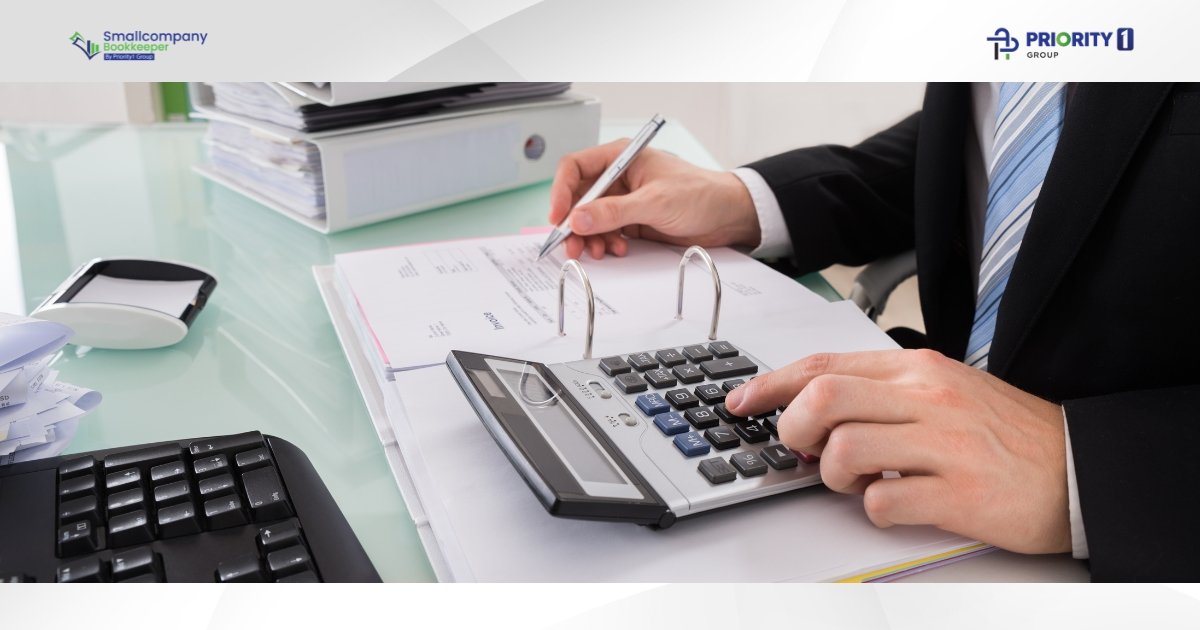
Many small business owners begin by managing bookkeeping themselves, especially during the early stages of business. However, as operations become busier, bookkeeping responsibilities can become difficult to manage consistently alongside daily business demands.
Professional bookkeeping support can help reduce administrative pressure while improving the accuracy and reliability of financial records. A Certified MYOB bookkeeper can identify inconsistencies, maintain regular reconciliations, and ensure important reporting deadlines are not overlooked.
Outsourcing bookkeeping can also provide greater continuity. Business owners often fall behind on financial administration during busy periods, which can create stress when reporting deadlines approach. Regular bookkeeping support helps maintain current records throughout the year rather than relying on last-minute catch-up work.
Another benefit is improved financial clarity. Up-to-date bookkeeping gives business owners easier access to meaningful financial information when reviewing performance or planning future growth. Instead of relying on estimates or outdated reports, they can make decisions based on accurate and current data.
Professional bookkeeping support does not replace business decision-making. Instead, it provides the reliable financial foundation needed to make those decisions with greater confidence.
Accurate data entry plays a critical role in maintaining reliable bookkeeping records, supporting compliance obligations, and improving financial visibility. Small errors can create larger reporting problems over time, while consistent and organised bookkeeping helps businesses operate more efficiently and make informed decisions with confidence.
For Australian businesses looking to improve their financial processes, professional bookkeeping support can provide valuable structure and consistency. As part of Priority1 Group, MYOB Bookkeepers brings together a broader network of business support to help Australian businesses thrive.
If you would like guidance on improving your bookkeeping processes or keeping your records more organised, consider reaching out for a friendly consultation to discuss the right approach for your business.